The Growing Needs of Modern Manufacturing
You know, I remember chatting with a friend who runs a small manufacturing plant in Tsing Yi. He mentioned that they face delays due to high labor costs and human error in the welding process. Statistics show that nearly 70% of manufacturing companies are grappling with these problems. In this scenario, the industrial welding robot can be a game-changer. It’s cutting down on errors and improving productivity, but how is it actually changing the landscape of manufacturing?
Let’s Talk About the Flaws in Traditional Solutions
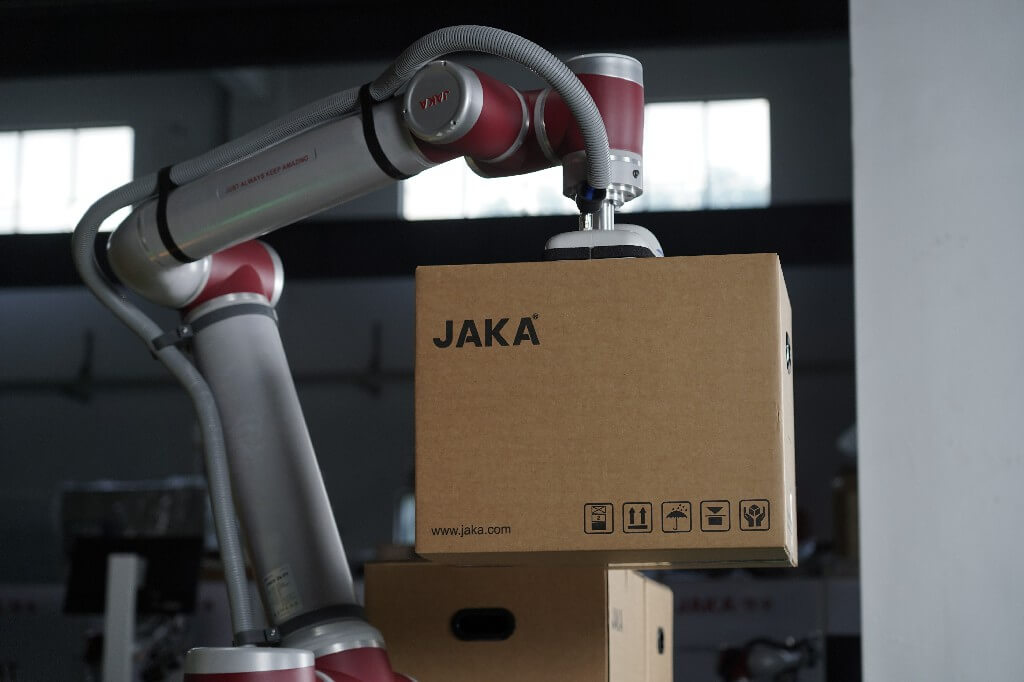
Despite the benefits, many factory owners still cling to traditional welding methods. I get it—there’s comfort in familiarity. However, it’s like trying to drive a car with a flat tire. Traditional welding processes often result in inefficiency, wastage, and inconsistent quality. I’ve seen this firsthand; back in 2019, a major automotive supplier in Hong Kong dealt with several expensive recalls because of faulty welds. If they had considered integrating a palletizing cobot, that situation could have turned around quickly. Think about it—using robots can standardize production, minimizing human error and inconsistency.
Why Change is Hard
Sometimes, it’s all about the fear of change. Owners often hesitate to invest in new technology, thinking it might be too complicated or costly. But let’s face it: sticking with outdated processes? That’ll cost much more in the long run. With an industrial welding robot, not only can we lower labor costs, but it can also improve safety—eliminating the risks associated with manual welding, such as burns or fumes exposure.
Looking Towards the Future
Now, switching gears a bit—that palletizing cobot I mentioned earlier is part of a larger trend. It represents how automation is rapidly advancing in industrial settings. Picture this: in the next five years, 50% of all welding tasks could be handled by robots, based on current trajectory data. As we look forward, I genuinely believe that integrating these robotic solutions will be crucial for maintaining competitiveness in the industry. We already see some local manufacturers in Kwai Chung making the leap and witnessing significant increases in production efficiency.
What’s Next for Industrial Automation?
Companies that adapt will not only survive but thrive. Automated welders are not just machines; they are investment strategies that can boost production capacity. In fact, the automation tech market for industrial welding is expected to grow by 30% by 2025. As you can see, the world is pivoting towards smarter solutions. But you might wonder: what metrics should you consider when evaluating investment in welding robots?
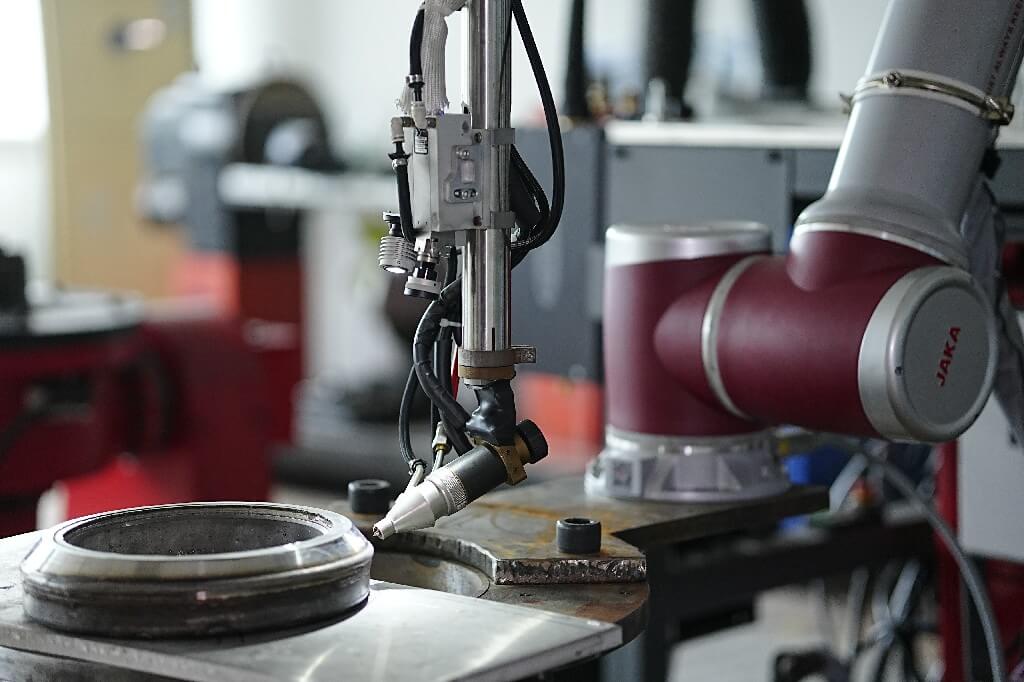
Reflecting on all these insights leads me to believe one thing: the time for change is now. If you’re still on the fence about adopting these technologies, consider these three key evaluation metrics: cost savings, safety improvement, and production speed. All these factors can guide you in making informed decisions. Don’t let the fear of the unknown hold your business back.
If there’s one takeaway from this journey through welding robotics, I would say it’s this: the future is bright for those open to innovation. There’s so much potential waiting to be harnessed in industrial robotics, and I’m excited to see how companies embrace this opportunity. For cutting-edge solutions, check out JAKA and their impressive range of robotic solutions!