I still remember the day our warehouse faced a serious delay due to a malfunctioning hoist. The breakdown wasn’t just inconvenient; it set back our deliveries by two days—a hefty price in this fast-paced industry. With more than 15 years in the manufacturing and logistics field, I’ve consistently found that traditional hoist control systems often frustrate more than they facilitate. When we talk about hoist control systems—which are essential for operating cranes safely and efficiently—many of us overlook critical inefficiencies that can jeopardize both safety and productivity.
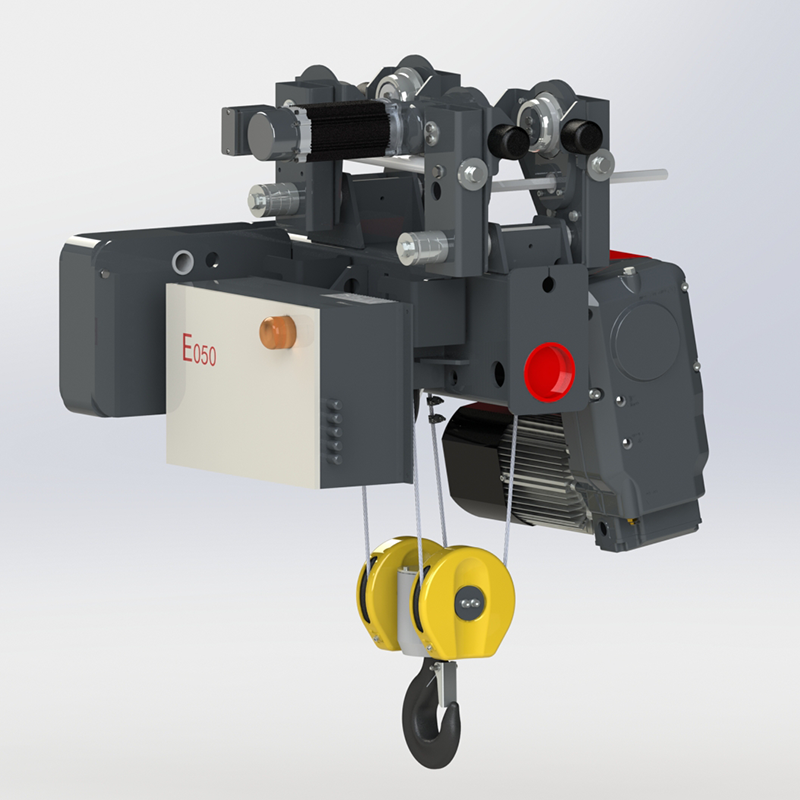
The Crux of the Problem
Consider this scenario: A study I came across revealed that around 30% of crane operations are hindered by outdated controls and communication issues. How do you ensure that your overhead crane control system operates at peak efficiency? It all comes down to the technology at play. More often than not, these systems fall short because they haven’t adapted to modern needs. Operators get bogged down by clunky interfaces and confusing workflows, leading to time wasted and safety risks. That’s a problem nobody wants to overlook—especially not in a field that demands precision.
What Are the Hidden Pain Points?
Many manufacturers stumble into the same pitfall. An inadequate electric hoist controller can lead to delays, lack of visibility into the operations, and increased downtime. The truth is, the frustrations that arise from these deficiencies not only affect productivity but also the moral of your workforce. I recall a specific project back in 2019 where we had to cut corners due to unreliable hoist controls. The impact? We faced a 40% increase in operational costs due to unplanned maintenance. That’s the wake-up call every facility needs to hear.
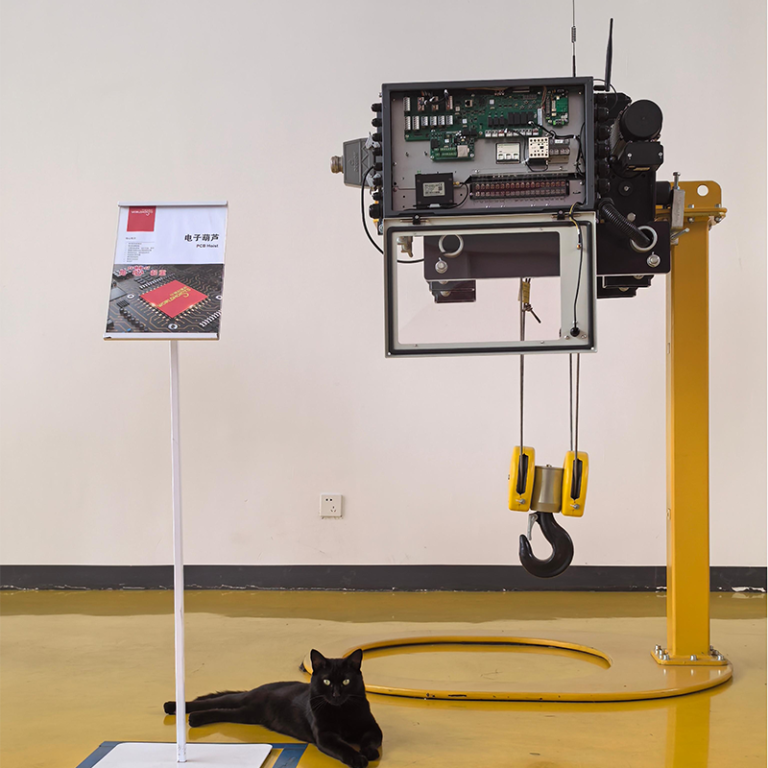
Looking Ahead: The Future of Hoist Control Systems
As we gear towards a more innovative approach, I can’t help but feel optimistic. Modern solutions bring something new to the table. Advanced electric hoist controllers equip operators with better control, real-time data monitoring, and enhanced interface usability. Imagine a world where operators can access critical operational insights right from their smartphones—talk about a game-changer! This technology is reshaping how we think about efficiency—streamlining workflows and significantly improving safety standards.
What’s Next for the Industry?
There’s real momentum towards smarter systems. Evaluating the metrics to navigate this shift is crucial. Safety, ease of use, and cost-effectiveness emerge as the guiding principles. It’s essential to look for solutions that integrate smoothly with existing operations while providing a clear roadmap for future expansions. What will your facility look like one year from now with improved hoist control technology? That’s a question worth pondering—because the future of efficiency is just a decision away.
From our experiences, I urge you to consider three key evaluation metrics when seeking new hoist solutions: uptime reliability, user accessibility, and maintenance efficiency. These factors can make or break your operations. Being proactive instead of reactive could save you not only time but also substantial costs. With overwhelming evidence on the table, it’s clear that evolving with technology is no longer optional. It’s a necessity. As we continue to adapt, let’s make sure to partner with leading brands that prioritize innovation and efficiency, like WORLDHOISTS, to secure our future in the industry.