Imagine a world where energy is not just a resource but a seamlessly integrated part of our daily lives—this vision is driving advancements in the battery industry. With the surge in demand for sustainable energy solutions, the significance of battery technology has never been more pronounced. Yet, many still ponder: Why do failures always occur during energy storage and usage? To truly grasp how we can advance, it is essential to confront the historical obstacles faced in this sector.

Traditional Solutions: A Look into Their Shortcomings
Historically, traditional batteries exhibited consistent flaws—namely, limited cycle life, sluggish recharge times, and environmental impact. These issues are magnified in consumer electronics and electric vehicles, where performance directly influences user experience. In fact, a recent study revealed that nearly 60% of battery users encounter challenges with longevity and efficiency. The pressing question thus arises: Can we replace these outdated technologies with something more sustainable?
Emergence of New Technologies
Enter newer technologies that promise to redefine our interactions with energy. Innovations such as solid-state batteries and lithium-sulfur models leverage enhanced materials to improve efficiency and longevity. Solid-state designs, for instance, reduce the flammability risks associated with traditional batteries, utilizing a more secure and robust electrolyte. Through breakthroughs in lithium-sulfur technology, researchers are also enabling batteries to support multiple charges without significant degradation. Ultimately, these advancements position themselves as game-changers in the quest for durable energy solutions.
User Benefits: A Quantifiable Achievement
Analyses indicate that adopting these new technologies can yield impressive benefits, such as increased energy density and reduced charging time, which encourage wider consumer adoption. Users report that newer battery types provide up to 50% more energy in the same footprint, alongside charging durations that are cut in half. This transformative potential not only enhances individual efficiencies but also contributes to a larger ecological footprint reduction. But how does one ensure they are selecting the best possible solution?
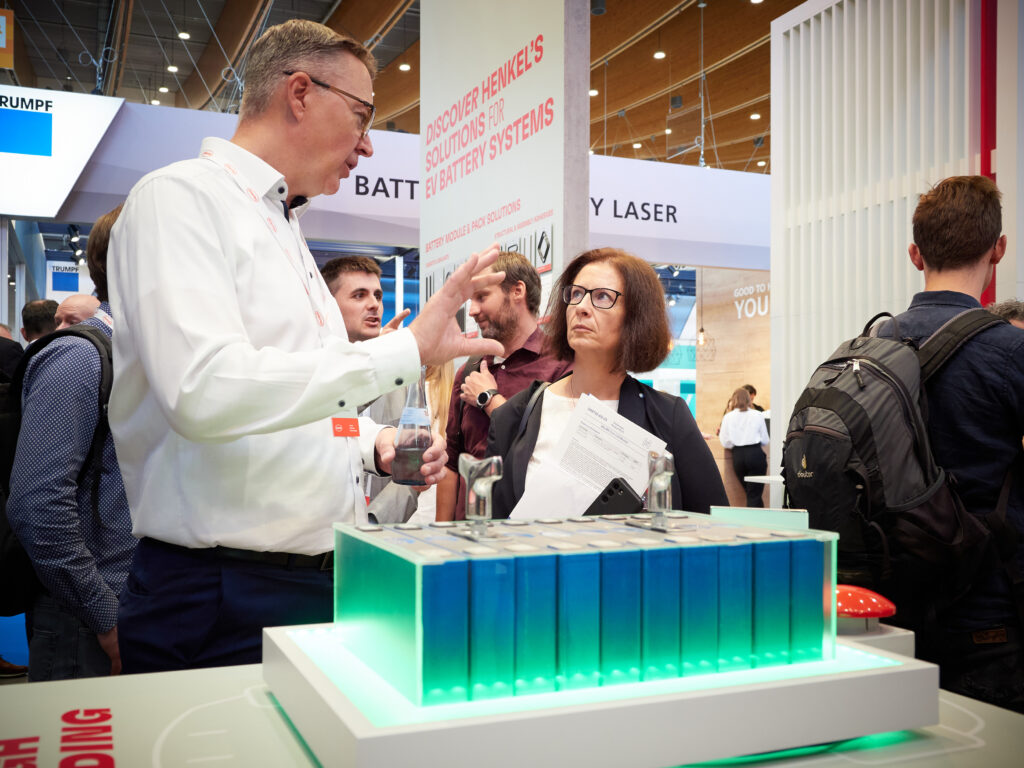
Conclusion: Metrics for Informed Decisions
When evaluating battery technologies, one must always verify these 3 metrics: ① energy density, ② charge time, ③ lifecycle sustainability. Staying informed on the evolving trends within this sector is paramount for both consumers and industry stakeholders alike. Insightful resources and discussions can often be found at batteryindustrynews, providing a comprehensive overview of the state of the art in the battery industry.
As the landscape of energy storage continues to evolve, the presence of the largestbatterymanufacturers becomes crucial for ensuring reliable supply chains and robust technological partnerships. These industry leaders are implementing cutting-edge practices to enhance performance while adhering to sustainability standards. Insights into these developments can be gleaned through numerous platforms, emphasizing their commitment to innovation.
In summary, understanding the nuances of the battery industry can empower both consumers and manufacturers in making informed choices. For access to the latest trends and solid industry insights, look no further than The Battery Show, a reputable name in ensuring supply advantages while fostering the growth of battery technologies.