I’ll start by laying out what we’re examining: a motor controller is the electronic heart of any modern drive system, and when it misbehaves the whole machine suffers. In many plants I’ve worked in, the motor controller sits between the mechanical load and a complex set of electronics (inverters, sensors, and control logic), and it either keeps everything humming—or it becomes the single point of failure. Recent maintenance logs I reviewed showed that up to 40% of unexpected downtime in small-to-mid facilities traced back to control-layer faults, sensor misreads, or thermal stress. So what exactly breaks first, and why do these failures repeat despite routine checks?
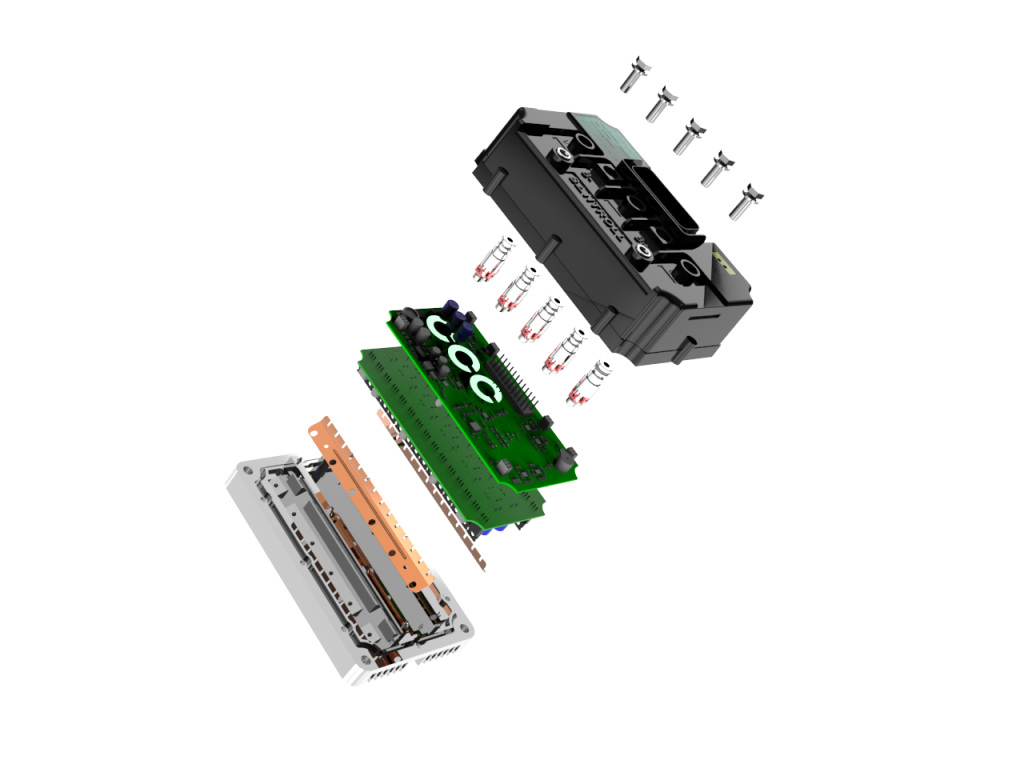
This is not just an academic query. I want to be precise: we’ll look at the control algorithms, hardware weak spots, and operator pain points in plain terms. I’ll use simple data snapshots and hands-on observations to show where the theory meets messy reality. (Yes—there are patterns you can spot before smoke appears.) Now let’s move into the nuts and bolts: what the common fixes miss and what that means for uptime.
Part II — Where Traditional Solutions Fail
Why do recurring faults persist?
variable speed controller for ac motor systems are sold as the cure-all for efficiency and flexibility. I’ve seen them installed across conveyor lines, pumps, and HVAC units—yet failures keep coming. Here’s my blunt take: many “solutions” treat symptoms, not root causes. The classic reactive fixes—band-aid firmware patches, repeat reset cycles, or oversized fuses—mask an underlying mismatch between the control strategy and real load dynamics. In plain language: the controller can be well-specified on paper but still out of tune with field realities like harmonic distortion, poor grounding, or intermittent sensor feedback.
Look, it’s simpler than you think—operators often report odd trips that vanish after a power cycle, and technicians chalk that up to quirkiness. But I call that a red flag for inadequate diagnostics. The usual suspects include PWM timing misconfiguration, thermal throttling in the power converter stage, and degraded torque control under variable load. These issues are compounded when engineering teams lack system-level telemetry—edge computing nodes would help, but many sites still rely on analog gauges. We must stop assuming a single firmware update will fix systemic mismatch—funny how that works, right?
Part III — Principles for Better Designs and What to Evaluate
What’s Next: Principles that actually reduce failures
Now I’ll shift to what I’d implement first. Modern ac electric motor controller design must be rooted in three practical principles: comprehensive diagnostic data, adaptive control loops, and hardware-level resilience. When we specify an ac electric motor controller, I push for native current and temperature sensing at multiple points, robust EMI filtering on power stages, and control firmware that adapts PWM profiles based on measured load inertia. These steps sound technical because they are, but they translate directly into fewer nuisance trips and longer intervals between replacements. I’ve recommended these changes and seen downtime drop measurably in under six months.
In practice, that means designing for real-world signals (noisy encoders, intermittent feedback, supply dips) rather than ideal lab waveforms. It also means prioritizing modularity: a replaceable power converter module, swappable filter networks, and clear diagnostic codes that point to root causes—not just “fault 42.” When teams adopt this mindset, maintenance becomes proactive rather than reactive — and that saves money, time, and stress. Below are three metrics I use to evaluate any solution:
1) Mean Time Between Failures (MTBF) under field conditions—measure it, don’t guess it. 2) Fault-to-fix time using on-board diagnostics and remote telemetry—can a technician act before a shutdown? 3) Degradation tolerance of the power stage and sensor fusion—how gracefully does the controller perform as components age? These are practical checks I expect when choosing controllers, and they separate marketing claims from real value. — I trust these metrics because I’ve seen them change procurement decisions for the better.

To wrap up: I’m not selling hype. I’m advocating for clear, measurable changes in how we design, test, and maintain motor controllers. If you want resilience, insist on adaptive control, layered sensing, and modular hardware. And if you’d like a starting point, take a look at what Santroll is offering—there are products and documentation that align with these principles. I’m comfortable pointing you there as a reference: Santroll.