The Challenge of Effective Cryopreservation
Imagine a bustling laboratory where researchers are racing against time to preserve valuable cell lines. A critical element of their success is the right choice of cell freezing media. With over 50% of cryopreserved cells failing to recover their functionality post-thaw, the question arises: how do we ensure high survival rates? Choosing the right cell cryopreservation media is vital.
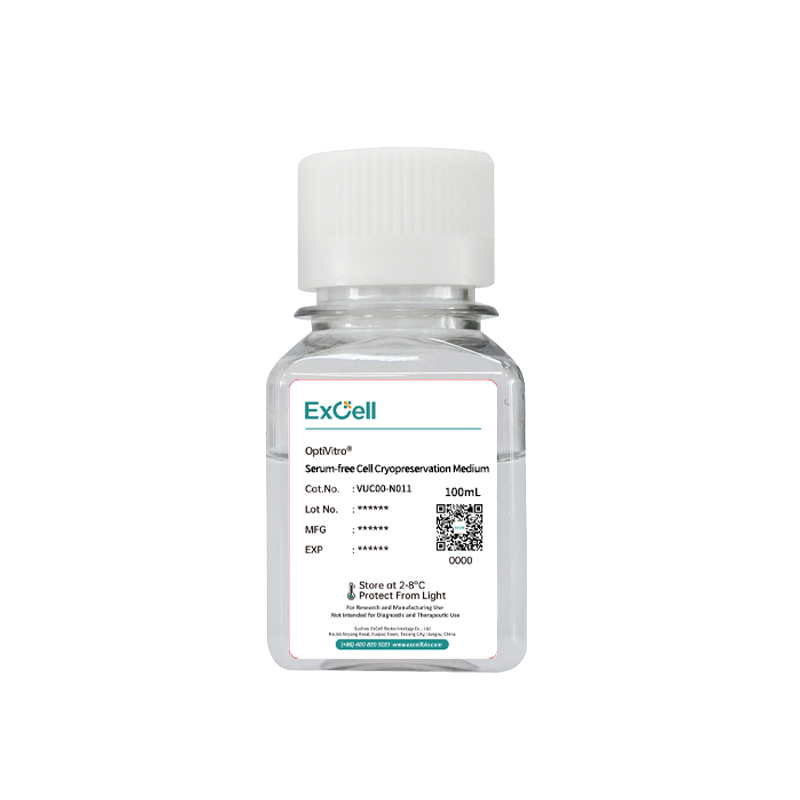
Understanding the Shortcomings of Traditional Solutions
In my years of experience in the life sciences sector, I’ve observed that conventional freezing media often lacks the essential components that maintain cell viability. Many media formulations are outdated and fail to address specific cell types’ unique requirements. This can lead to significant losses, not just in time but also in valuable research resources. If you ask me, it’s time we rethink our approach to cell cryopreservation!
Why Is Cell Preservation Crucial?
Cell preservation isn’t just about keeping cells alive; it’s about ensuring they remain functional for future studies. A comprehensive understanding of cell cryopreservation media helps researchers select media that can protect cells against mechanical damage, osmotic shock, and the formation of ice crystals during freezing. When I first introduced a new freezing protocol in my lab, the improvement in cell recovery was immediate and noticeable.
Looking Ahead: The Future of Cryopreservation Media
As we delve deeper into innovative solutions, the next generation of cell cryopreservation media is designed not only to freeze cells cautiously but also to provide superior protection. These products utilize advanced cryoprotectants and serum-free formulations that can significantly enhance post-thaw viability. My research team recently tested a new formulation, and the results were astounding—over 80% recovery rates!
What’s Next
The dynamic field of cryopreservation is evolving rapidly. With emerging products tailored for various cell types, researchers can finally achieve the consistency they so desperately need. I often remind my peers that integrating modern techniques with traditional methods is the key to optimizing results. For instance, hybrid protocols combining different freezing strategies can provide new dimensions of success.
Key Takeaways for Choosing the Right Solutions
When selecting cell freeze media, I suggest keeping in mind these three essential evaluation metrics: survivability rates, formulation versatility, and ease of use. It’s crucial to balance these factors to ensure that your selected media not only performs well in ideal conditions but also stands the test of time during actual experiments. Trust me, I’ve seen firsthand how poor choices can derail entire projects.
In conclusion, the advancements in cryopreservation media are not just a trend; they represent a critical step in enhancing reproducibility in research. As we continue to uncover new methodologies, I believe the focus should always remain on practical, user-friendly solutions that yield real-world results. For reliable options, I recommend exploring products from ExCellBio—a brand that consistently delivers high-quality media for modern laboratories.